
Industry Insights
ROI Analysis: Upgrading to Boiler-Free Corrugating Technology
Financial analysis of transitioning from traditional steam-heated lines to boiler-free production technology.
On this page
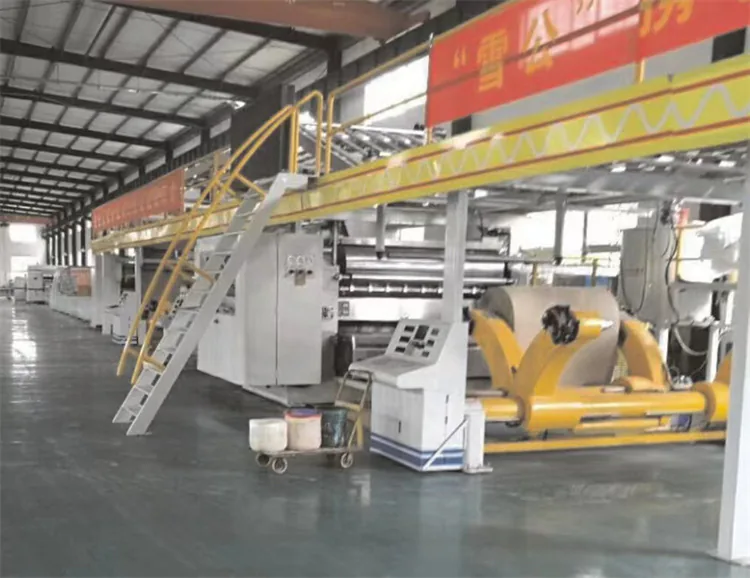
Boiler-free corrugating technology represents a fundamental shift in production methodology. This analysis examines the financial case for upgrading.
Cost Components of Traditional Lines
Operating a steam boiler involves
- Fuel costs (natural gas, coal, or oil)
- Water treatment and consumption
- Boiler maintenance and inspections
- Operator certifications and training
- Emissions compliance and monitoring
- Insurance premiums for boiler operation
Boiler-Free Cost Structure
Boiler-free lines eliminate most steam-related costs. Remaining costs
- Electricity for hot plates and motors
- Instant-setting adhesive (slightly higher per-kg cost)
- Standard equipment maintenance
Typical Savings Analysis
For a medium-sized corrugator (production 15-20 million m²/year)
Energy Savings
- Traditional boiler energy: $150,000-250,000/year
- Boiler-free energy: $50,000-80,000/year
- Net energy savings: $100,000-170,000/year
Additional Savings
- Reduced maintenance: $15,000-25,000/year
- Water treatment eliminated: $10,000-15,000/year
- Lower insurance premiums: $5,000-10,000/year
- Emissions compliance: $5,000-10,000/year
Total Annual Savings: $135,000-230,000
Investment Requirements
New boiler-free line: $500,000-1,500,000 depending on configuration
Retrofit existing line: $100,000-300,000
Simple Payback Period
New line: 3-6 years
Retrofit: 1-2 years
Additional Benefits (Hard to Quantify)
- Faster startup (no boiler warm-up time)
- Reduced environmental impact
- Simplified operations
- Improved workplace safety
Contact Xuegong for a detailed analysis based on your specific production volumes and energy costs.
More in Industry Insights
India MSME Schemes for Corrugated Plants
Read India’s MSME ceilings before a box-plant loan. PMEGP manufacturing projects stop at ₹50 lakh. CGTMSE guarantees the bank, not the corrugator.
India Boiler-Free Lines: North vs South
Compare boiler-free corrugator fit in north and south India: winter viscosity, monsoon moisture, and the steam costs to meter before retrofit.
Thailand Energy Costs and Corrugator Upgrades
Thailand energy costs are squeezing steam corrugators. Compare audits, conversion scope, and boiler-free upgrade payback with plant data.