
Industry Insights
How to Calculate and Reduce Adhesive Cost Per MSF
Methods for tracking adhesive consumption and practical strategies to reduce costs without compromising quality.
On this page
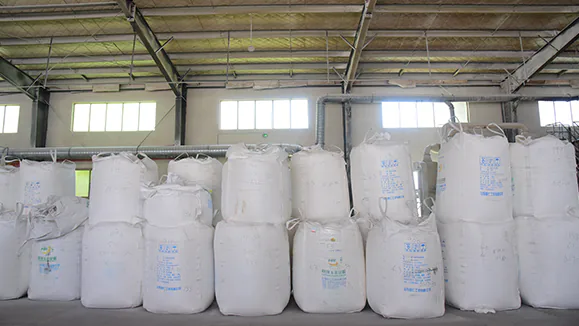
Adhesive typically represents 2-5% of total corrugated board production costs, but it's an area where significant savings are possible through optimization.
Calculating Adhesive Cost
Basic formula: Cost per MSF = (Adhesive price × pounds used) ÷ MSF produced
Industry benchmarks for starch adhesive consumption
- Single facer: 4-8 lbs dry starch per MSF
- Double backer: 3-6 lbs dry starch per MSF
- Total: 7-14 lbs per MSF (varies by board type)
Factors Affecting Consumption
- Flute Profile: A-flute uses more adhesive than E-flute
- Board Type: Double-wall uses more than single-wall
- Paper Quality: Absorbent papers need more adhesive
- Line Speed: Higher speeds may require heavier application
- Equipment Condition: Worn applicators waste adhesive
Reducing Adhesive Costs
Optimize Application
- Calibrate glue machines regularly
- Maintain doctor roll gaps precisely
- Ensure uniform film thickness across web
- Reduce application weight to minimum effective level
Improve Adhesive Efficiency
- Switch to instant-setting adhesive (lower consumption)
- Use alkali-free formulas (better yield from starch)
- Optimize gel temperature for your papers
- Maintain consistent viscosity
Reduce Waste
- Minimize start-up and shutdown waste
- Prevent adhesive from drying in pans
- Clean systems properly to prevent buildup
- Track consumption by shift and operator
ROI of Premium Adhesives
Higher-priced adhesives like Xuegong instant-setting products often deliver net savings through
- Lower consumption (20-30% less per MSF)
- Reduced energy costs (no boiler needed)
- Fewer quality defects and returns
- Higher line speeds
More in Industry Insights
India MSME Schemes for Corrugated Plants
Read India’s MSME ceilings before a box-plant loan. PMEGP manufacturing projects stop at ₹50 lakh. CGTMSE guarantees the bank, not the corrugator.
India Boiler-Free Lines: North vs South
Compare boiler-free corrugator fit in north and south India: winter viscosity, monsoon moisture, and the steam costs to meter before retrofit.
Thailand Energy Costs and Corrugator Upgrades
Thailand energy costs are squeezing steam corrugators. Compare audits, conversion scope, and boiler-free upgrade payback with plant data.