
Technology
Automation Trends in Corrugated Board Production
How Industry 4.0 technologies are transforming corrugating operations with smart manufacturing.
automationIndustry 4.0smart manufacturingdigitalization
On this page
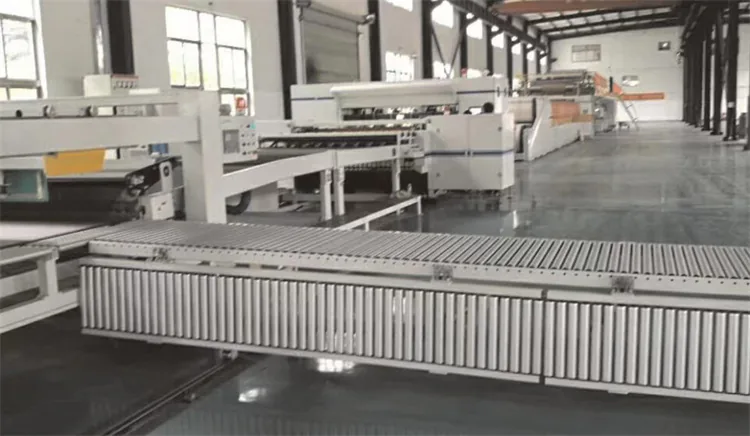
The corrugating industry is embracing automation and smart manufacturing. Understanding these trends helps converters plan for the future.
Current Automation Levels
Basic Automation (Most Plants)
- Programmable logic controllers (PLCs)
- Basic recipe management
- Automated order scheduling
- Barcode-based tracking
Advanced Automation (Leading Plants)
- Integrated production management systems
- Real-time quality monitoring
- Predictive maintenance
- Robotic palletizing
Emerging Technologies
Artificial Intelligence
- Quality defect prediction
- Process optimization
- Demand forecasting
- Energy management
Internet of Things (IoT)
- Sensor networks throughout production
- Real-time data collection
- Remote monitoring capabilities
- Condition-based maintenance alerts
Digital Twins
- Virtual models of production lines
- Simulation for process optimization
- Training without production impact
- Predictive troubleshooting
Vision Systems
- Automated quality inspection
- Print defect detection
- Board defect identification
- Dimensional verification
Benefits of Automation
- Reduced labor requirements
- Consistent quality
- Lower waste rates
- Better traceability
- Faster changeovers
- Data-driven decisions
Implementation Considerations
- Start with high-impact areas
- Ensure reliable data infrastructure
- Train staff on new systems
- Plan for integration challenges
Adhesive Management Automation
Modern systems can monitor and control
- Viscosity trending
- Automatic temperature adjustment
- Consumption tracking
- Predictive reordering
More in Technology
Variable Speed Drives on a Corrugator
Match corrugator roll speed first. Cube-law savings apply to a throttled fan or pump: 80% speed is about half the power, not a plant-wide cut.
Infrared Moisture Sensors on Corrugators
Mount and calibrate infrared moisture sensors on a corrugator. Check them against oven samples so steam, dust, and coatings do not fake a dry web.
Optical Sensors for Corrugator Quality Control
Use optical sensors on the corrugator to catch warp, crush, and glue-line defects earlier than offline lab sampling can.